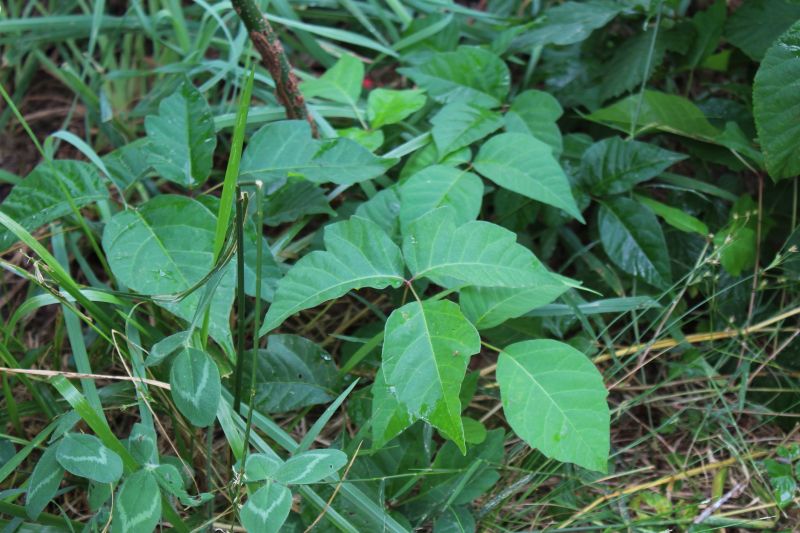
Poison Oak Removal in Harford County, MD
Poison oak removal services focus on safely eliminating this invasive plant from residential properties, helping to reduce health risks for homeowners and their families. These services typically cover projects such as clearing overgrown areas, trimming shrubs, and removing poison oak from yards, fences, and other landscape features. Property owners should understand that the process involves careful identification of the plant, often requiring specialized knowledge to distinguish it from similar plants, and the use of appropriate removal methods to prevent regrowth and minimize exposure.
Before requesting poison oak removal, homeowners often want to know about the extent of the infestation, the best approach for removal, and any potential impact on surrounding plants or structures. It’s important to communicate the size and location of the affected area, as well as any safety concerns related to exposure or allergic reactions. Proper planning ensures that the removal process is effective and that the property remains safe and healthy after the work is completed.
Many property owners in Harford County, MD look into Poison Oak Removal for repairs, replacements, upgrades, and appearance-related improvements.
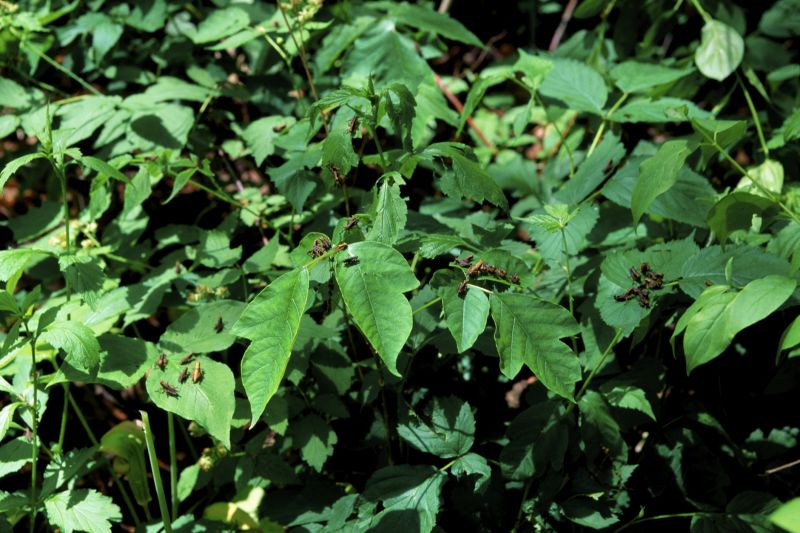
Poison Oak Identification
Recognizing poison oak is essential for safe removal and prevention on your property.
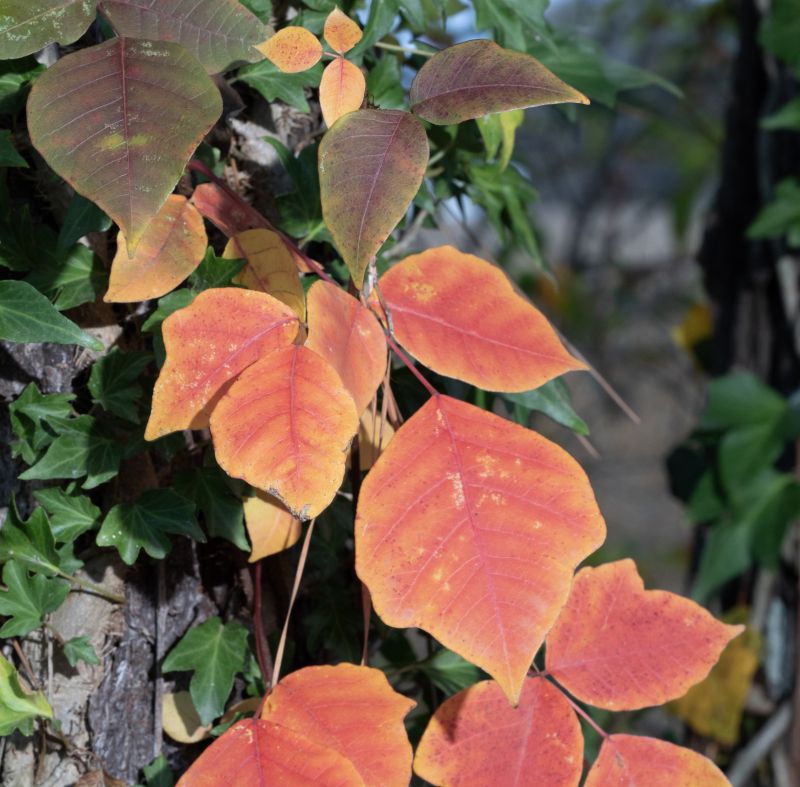
Hazard Prevention
Removing poison oak helps protect families and pets from skin irritation and allergic reactions.
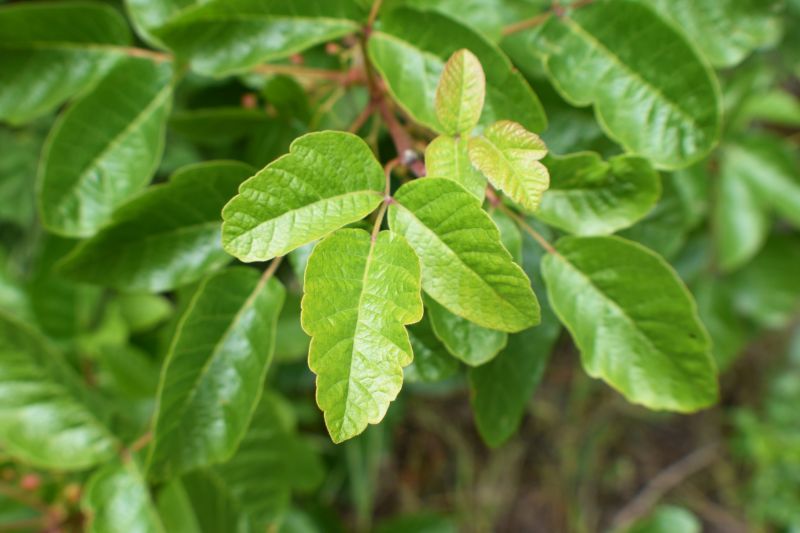
Property Maintenance
Effective poison oak removal can improve the safety and appearance of outdoor spaces in harford county, md.
Poison Oak Removal in Harford County, MD
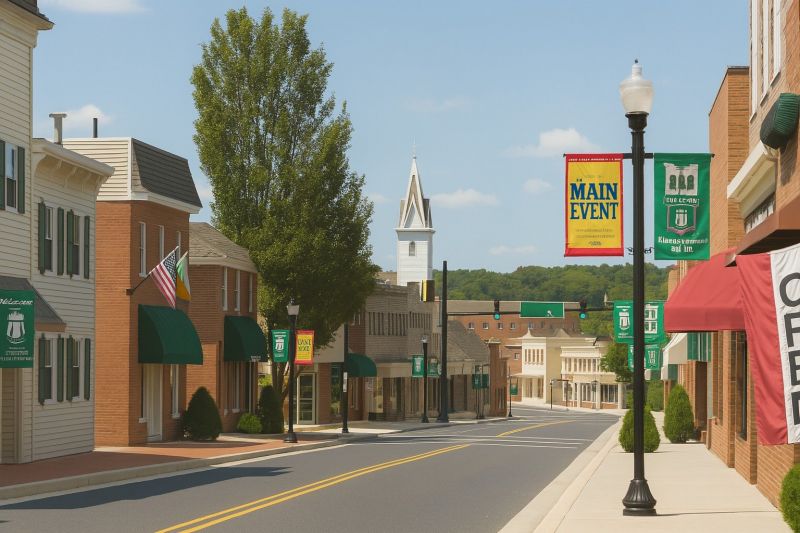
Poison oak removal services focus on safely eliminating this invasive plant from residential properties, helping to reduce health risks for homeowners and their families. These services typically cover projects such as clearing overgrown areas, trimming shrubs, and removing poison oak from yards, fences, and other landscape features. Property owners should understand that the process involves careful identification of the plant, often requiring specialized knowledge to distinguish it from similar plants, and the use of appropriate removal methods to prevent regrowth and minimize exposure.
Before requesting poison oak removal, homeowners often want to know about the extent of the infestation, the best approach for removal, and any potential impact on surrounding plants or structures. It’s important to communicate the size and location of the affected area, as well as any safety concerns related to exposure or allergic reactions. Proper planning ensures that the removal process is effective and that the property remains safe and healthy after the work is completed.
Many property owners in Harford County, MD look into Poison Oak Removal for repairs, replacements, upgrades, and appearance-related improvements.
Common Poison Oak Removal Jobs
Poison Oak Removal - safe elimination of poison oak from yards and landscapes.
Property clearing - removal of poison oak to restore outdoor spaces.
Landscape maintenance - ongoing removal to prevent poison oak regrowth.
Trail and path clearing - removal of poison oak along walkways and recreational areas.
Fence line clearing - poison oak removal near property boundaries.
Yard cleanup - comprehensive removal to ensure safe outdoor environments.
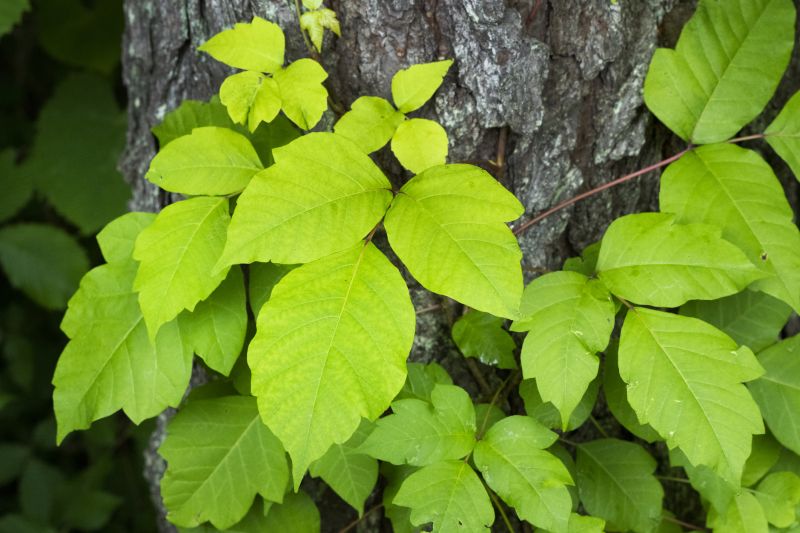
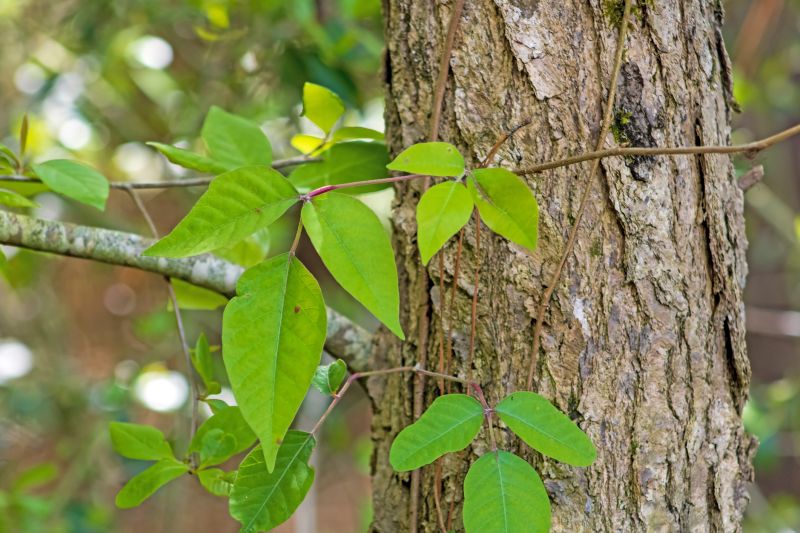
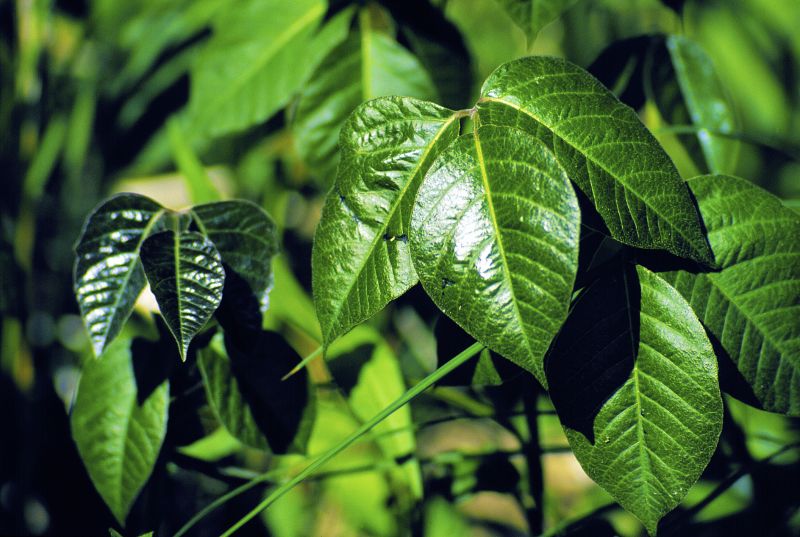
Poison Oak Removal Questions
What is poison oak removal? Poison oak removal involves safely eliminating the plant from a property to prevent skin irritation and further growth.
When should poison oak be removed? Removal is recommended when poison oak is located near high-traffic areas, landscaping, or outdoor living spaces.
How is poison oak removed? The process typically includes carefully cutting, pulling, or applying targeted treatments to eradicate the plant.
Is poison oak removal safe for property landscapes? Yes, professional removal ensures the plant is removed without damaging surrounding plants or landscaping features.
Request Poison Oak Removal in Harford County, MD
Use the quote form on this page to share the basics of your project and request more information for the type of work you need.